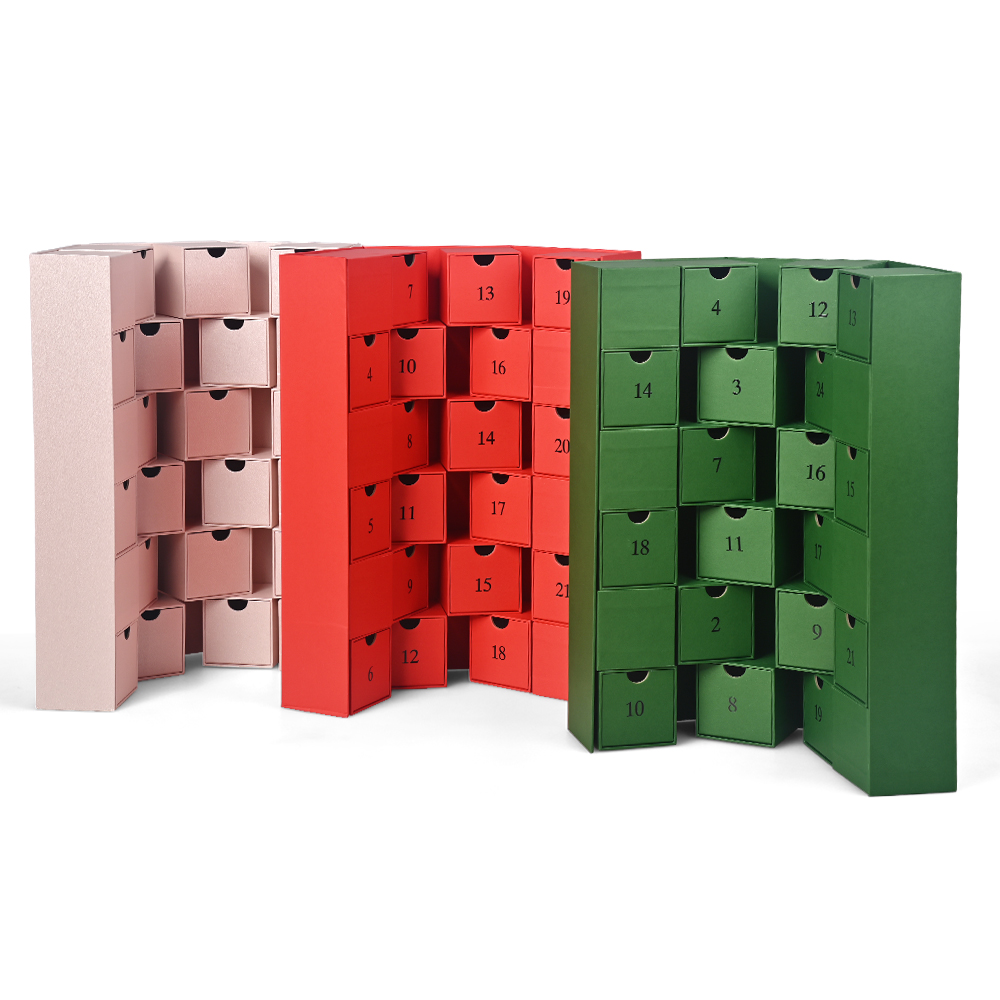
Eco-Friendly Inks Explained: Soy-Based vs. Water-Based Inks in Custom Printing
Explore the benefits of eco-friendly inks in custom printing.

 5 Min Read
 189 Views
Eco-friendly inks are transforming the printing industry. They offer sustainable alternatives to traditional inks, which often contain harmful chemicals.
Soy-based and water-based inks are leading this green revolution. Both types are derived from renewable resources, making them environmentally friendly.
Soy-based inks come from soybeans, while water-based inks use water as a solvent. This reduces volatile organic compound emissions.
These inks are not only better for the planet but also safe for food packaging. They are non-toxic and biodegradable, aligning with sustainable practices.
Understanding the differences between soy-based and water-based inks can help businesses make informed choices. This knowledge supports eco-friendly printing and packaging solutions.
What Are Eco-Friendly Inks?
Eco-friendly inks are made from sustainable materials. These inks aim to minimize environmental harm during the printing process. They use components that have less impact on air and water.
Traditional inks release harmful chemicals, polluting the air. In contrast, eco-friendly inks reduce these emissions significantly. This makes them an attractive option for sustainable businesses.
Key features of eco-friendly inks include:
-
Non-toxic formulations
-
Biodegradable components
-
Derived from renewable resources
Businesses favor these inks for their low environmental impact. Adopting eco-friendly inks helps companies comply with environmental regulations. They are also suitable for varied applications, including packaging and screen printing.
Soy-Based Inks: Features and Benefits
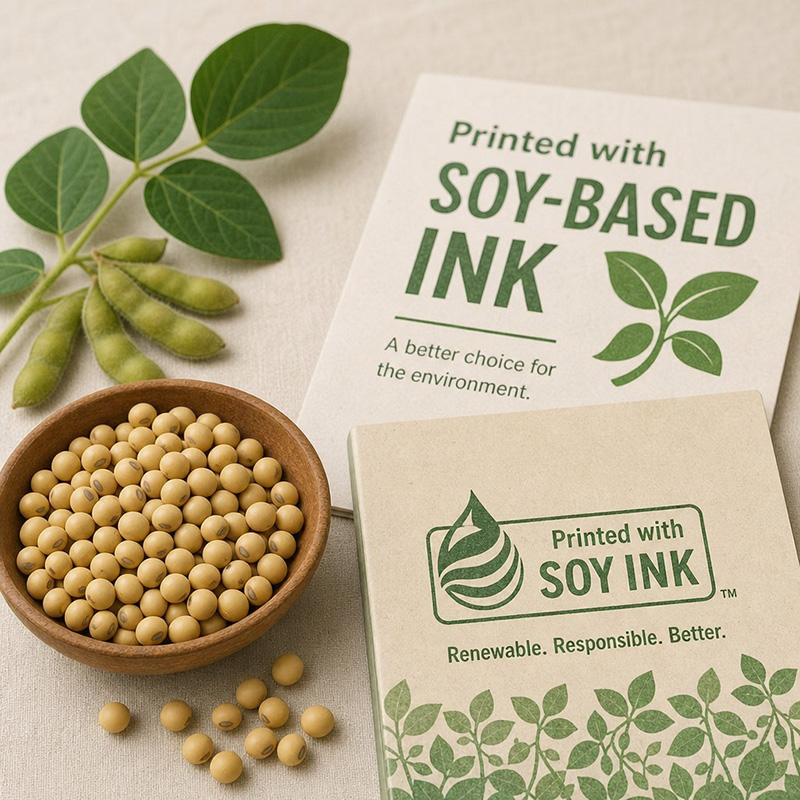
Soy-based inks derive from soybean oil. This renewable source makes them eco-friendly. Many businesses prefer them for their environmental benefits.
These inks are known for their vibrant colors. They deliver impressive clarity, ideal for detailed work. Newspapers and magazines often use soy-based inks for high-quality prints.
The production of soy-based inks involves less energy use. This decreases their carbon footprint compared to traditional inks. Additionally, they are biodegradable, which enhances recyclability.
Key benefits of soy-based inks include:
-
Vibrant and sharp color reproduction
-
Lower carbon emissions
-
Enhanced biodegradability
-
Excellent for newspaper and magazine printing
Soy-based inks also offer long-term cost benefits. Their efficient coverage means less ink used per job. Over time, this reduces expenses for printing projects.
Water-Based Inks: Features and Benefits
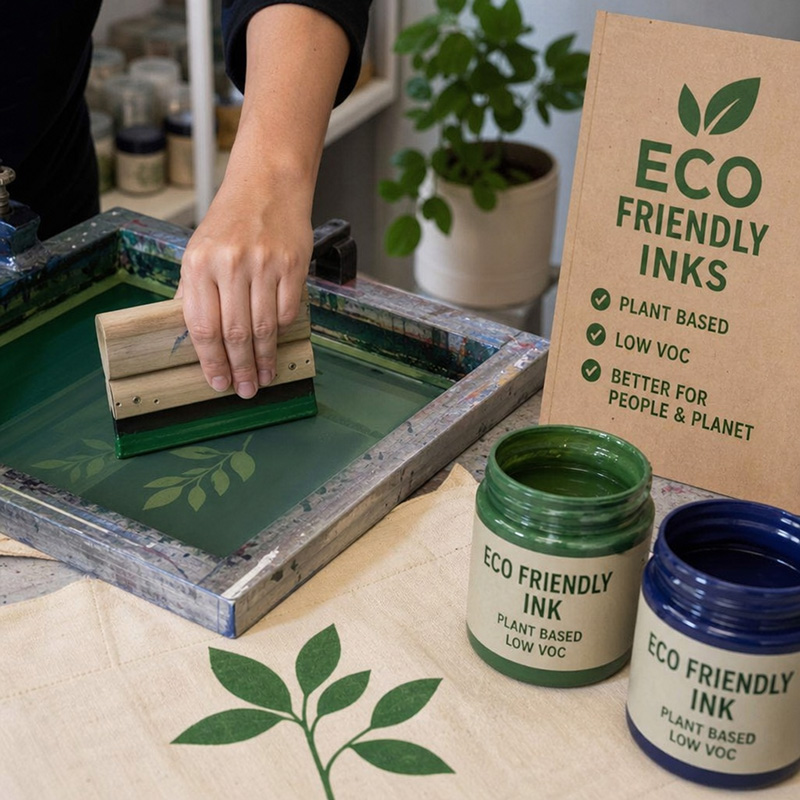
Water-based inks utilize water as a solvent. This reduces the emission of volatile organic compounds (VOCs). As a result, these inks contribute to a healthier work environment.
One of the standout advantages of water-based inks is their quick drying time. This makes them highly suitable for screen printing. Many textile manufacturers prefer these inks for their efficiency and flexibility.
These inks prove safe for a variety of uses. They're non-toxic, making them ideal for packaging food products. Businesses often choose them for their compliance with health and safety standards.
Notable benefits of water-based inks include:
-
Reduced VOC emissions
-
Quick drying times
-
Non-toxic and safe for food packaging
-
Highly versatile in applications
Water-based inks work well on various substrates. Their compatibility makes them popular in the fashion industry. They are often the ink of choice for eco-conscious brands.

by Fancy Walls | Peel & Stick Wallpaper & Wall Murals (https://unsplash.com/@fancywalls)
Soy-Based vs. Water-Based Inks: Key Differences
Soy-based and water-based inks each bring distinct advantages to the printing process. While both are eco-friendly, they cater to different needs. Choosing between them often depends on specific project requirements.
Soy-based inks are renowned for their vibrant, rich colors. These inks ensure excellent detail in print, making them ideal for high-quality jobs. They are especially suited to applications where color fidelity is crucial.
Water-based inks, on the other hand, dry quickly and are less likely to cause allergic reactions. They're often chosen for situations requiring non-toxicity, such as food packaging and textiles.
Key differences between the inks include:
-
Color Quality: Soy inks offer richer colors.
-
Drying Time: Water-based inks dry faster.
-
Toxicity: Both inks are non-toxic, yet water-based inks shine in safety-critical applications.
Both ink types provide sustainable solutions. Each helps reduce environmental impact and supports green printing practices.

by Katrin Hauf (https://unsplash.com/@trine)
Applications in Custom Packaging and Printing
Eco-friendly inks are pivotal in custom packaging and printing. They align perfectly with sustainable practices. More brands now prioritize reducing their environmental footprint.
Soy-based inks enhance the visual appeal of packaging. They offer vibrant colors, making products stand out on shelves. Custom packaging soy-based ink is a staple for eco-conscious brands.
Water-based inks are common in screen printing. Their quick-drying properties make them ideal for textiles. Apparel brands favor water-based inks for their flexibility and softness.
In custom packaging, eco-friendly inks are widely used because:
-
Visual Impact: Soy inks produce bright, attention-grabbing colors.
-
Safety: Water-based inks work well for food and children's products.
-
Sustainability: Both ink types support environmental goals.
These inks are integral to green printing efforts, reducing waste while maintaining quality.

by Sticker it (https://unsplash.com/@stickerit_co)
Choosing the Right Ink for Sustainable Packaging
Selecting the right eco-friendly ink is crucial. It depends on your specific printing needs. Both soy-based and water-based inks offer distinct benefits.
Soy-based inks work well for detailed, color-rich designs. They are also more biodegradable. Brands aiming for vivid imagery may prefer soy inks.
Water-based inks are perfect for quick-dry applications. They excel in reducing volatile organic compounds (VOCs). Companies concerned with air quality often choose them.
Consider these factors when deciding:
-
Print Detail: Opt for soy-based inks for intricate designs.
-
Drying Time: Choose water-based inks for fast processing.
-
Environmental Goals: Both support sustainable practices.
Ultimately, your choice should align with brand values and product requirements.
The Future of Green Printing and Eco-Friendly Inks
The printing industry is steadily moving towards greener practices. Eco-friendly inks play a vital role in this shift. Their demand is expected to rise as businesses focus on sustainability.
Innovations in eco-friendly inks continue to emerge. These advancements promise enhanced performance and versatility. The future holds potential for even more sustainable printing options. Environmentally conscious consumers drive this evolution. Their preferences push brands to adopt green solutions.
As technology advances, eco-friendly inks will become even more effective and widely used. At Brothersbox, we are proud to lead this charge by utilizing 100% renewable and non-toxic soy-based inks for our custom packaging solutions, helping brands significantly reduce their environmental footprint. This green transformation not only fosters a more sustainable future but also ensures that eco-friendly printing becomes an essential, high-performing component of your future business strategy.